Workshop on Teaching Delivery for August 2025 Intake
Thank you to everyone who participated and contributed to insightful discussions on innovative teaching strategies. Here’s to advancing education together! 🙌
The aim of the workshop was to provide guidance and insights on the delivery and implementation of module under C3L.
The session was delivered in three sections. The opening remarks were delivered by Director, AP Dr Jose Hernandez Santos and the session started with an overview by Deputy Director – Dr Anni @ Nik Ani Afiqah binti Hj Mohamad Tuah – Module Format: Overview by exploring module outlines. The session ended with a hands-on demonstration of CANVAS by Learning Technical Support Officer, Ak Wafiq Airudin.
The session started in the morning by Assoc Prof Dr Mohammad Tazli Azizan. He delivered an online presentation session on Designing Learner-Centred Strategies in Teaching and Learning to the participants.
Half-Year Highlights
Milestones & Impact Through Numbers
From valuable insights to meaningful moments of connection, each C3L session this year has been a memorable and impactful experience.
We’re incredibly thankful to have collaborated with so many dedicated teams on this journey of lifelong learning.
Here’s to more empowering experiences ahead — together, we grow!
We’re excited for what’s ahead in the second half of the year — more impactful sessions, fresh collaborations, and opportunities to keep learning, together.
Are you ready to join us for our upcoming events? Check our List of upcoming events to find out what’s next!
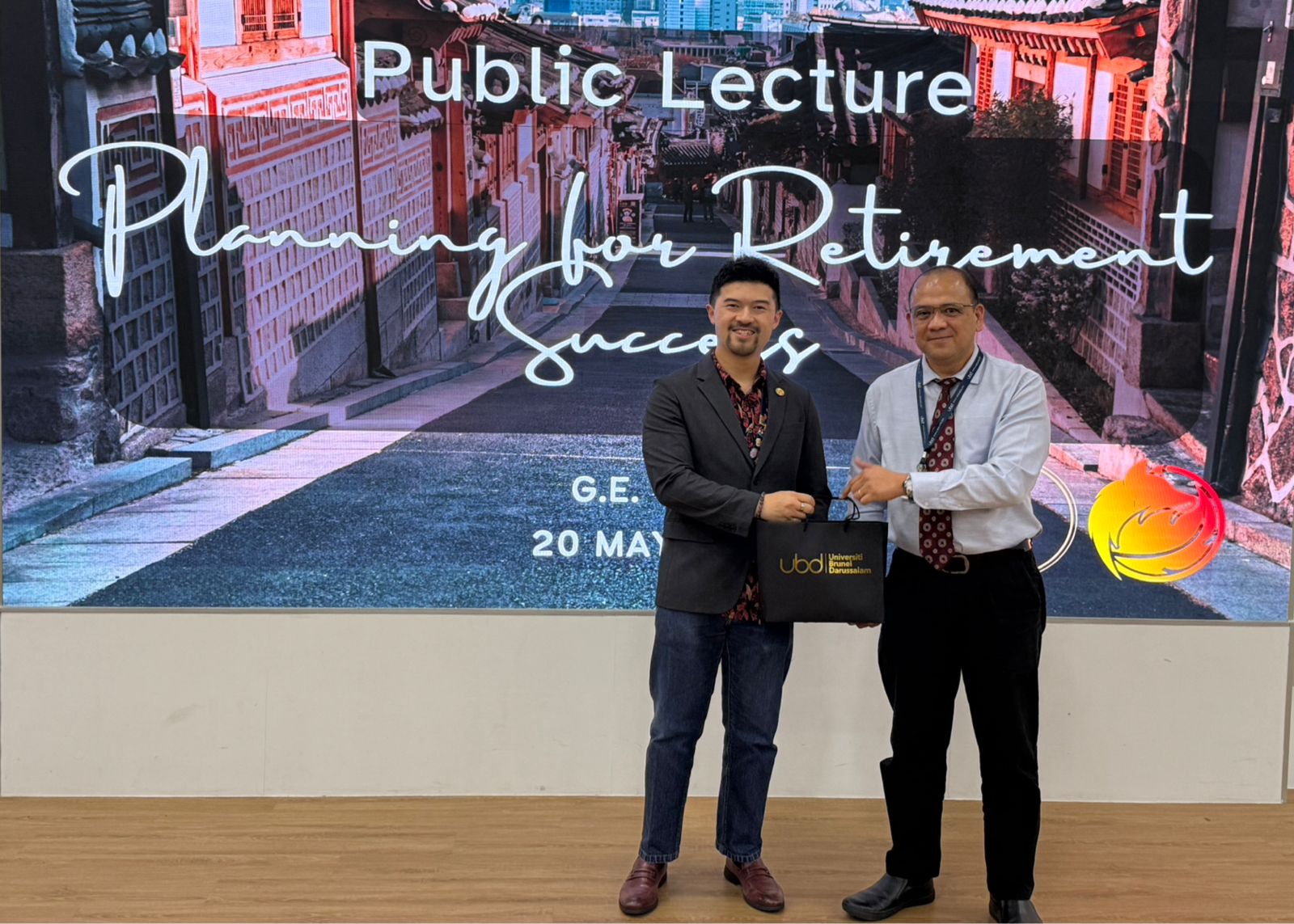
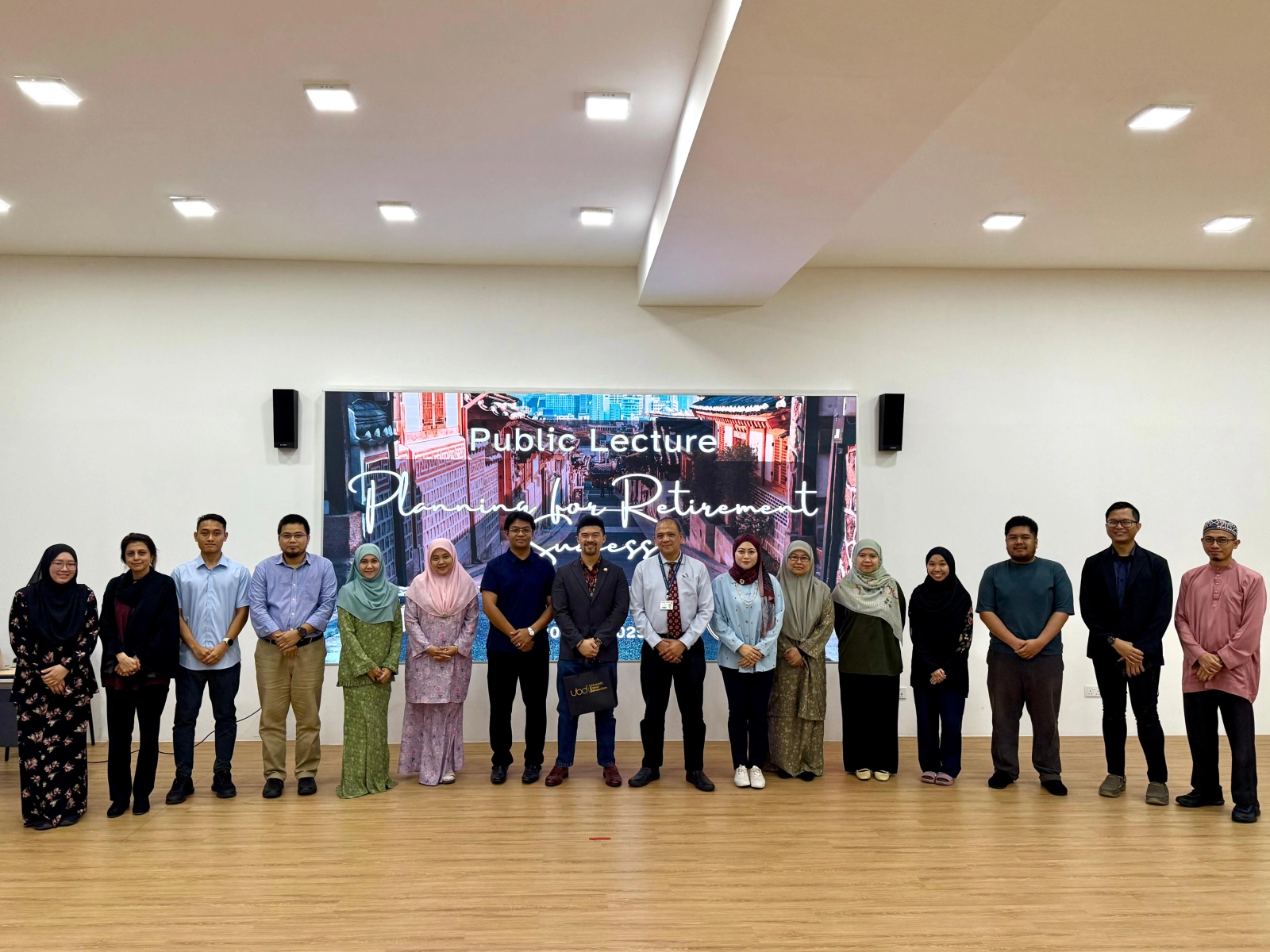
Public Lecture: Planning for Retirement Success in collaboration with C3L and Vulpes Agency
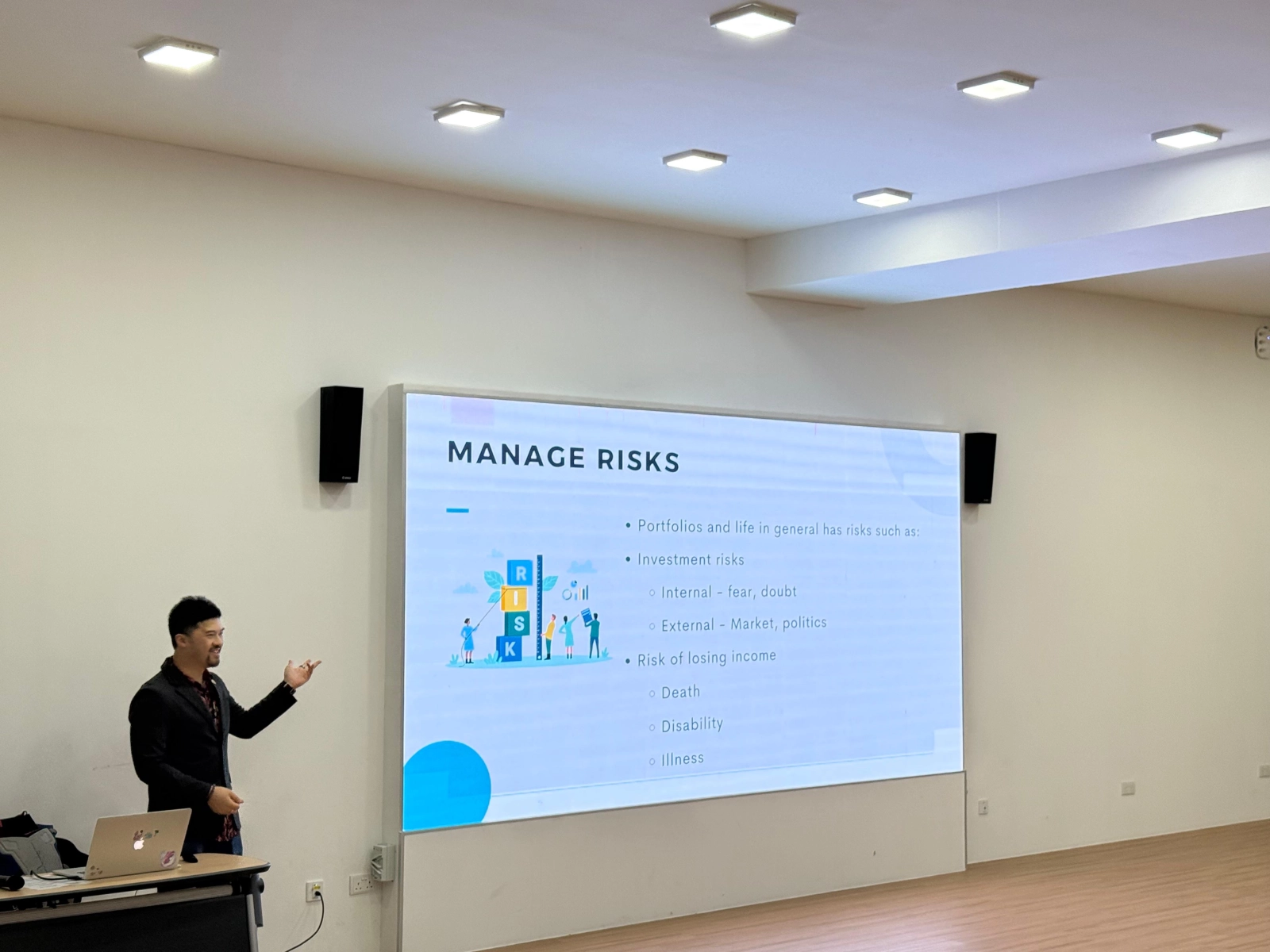
In collaboration with Centre for Lifelong Learning (C3L) and Vulpes Agency, Giem Eing Yapp held a Public Lecture titled ‘Planning for Retirement Success’ on 20th May 2025 – 2:00pm-3:30pm.
The talk highlighted important aspects of retirement planning. These concepts include:
Life Cycles Concept: Discover how understanding the stages of life can transform the way you plan your retirement.
Retirement Lifestyle and Income Planning: Explore what it takes to maintain your desired lifestyle and ensure you have the income to support it.
Retirement Calculations Made Simple: Learn practical methods to estimate your retirement needs and start planning today.
Understanding SPK in Brunei: Gain insights into how SPK works and how to integrate it into your broader retirement strategy.
The previously announced Popular Lifelong Learning Short Course (POLL) – Introduction to Financial Literacy has been postponed to a later date. Please follow our social media and check our website for the next announcement.
C3L Lifelong Learning: Gateway to Lifelong Learning on RTB Rampai Pagi
Centre for Lifelong Learning Deputy Director – Dr Nik Ani Afiqah Binti Haji Mohammad Tuah joined Rampai Pagi, RTB on Saturday 26th April 2025 in a segment titled ‘C3L Lifelong Learning: Gateway to Lifelong Learning: Elevating Brunei’s Society. The topics included the benefits of lifelong learning and programmes offered at Centre for Lifelong Learning, UBD
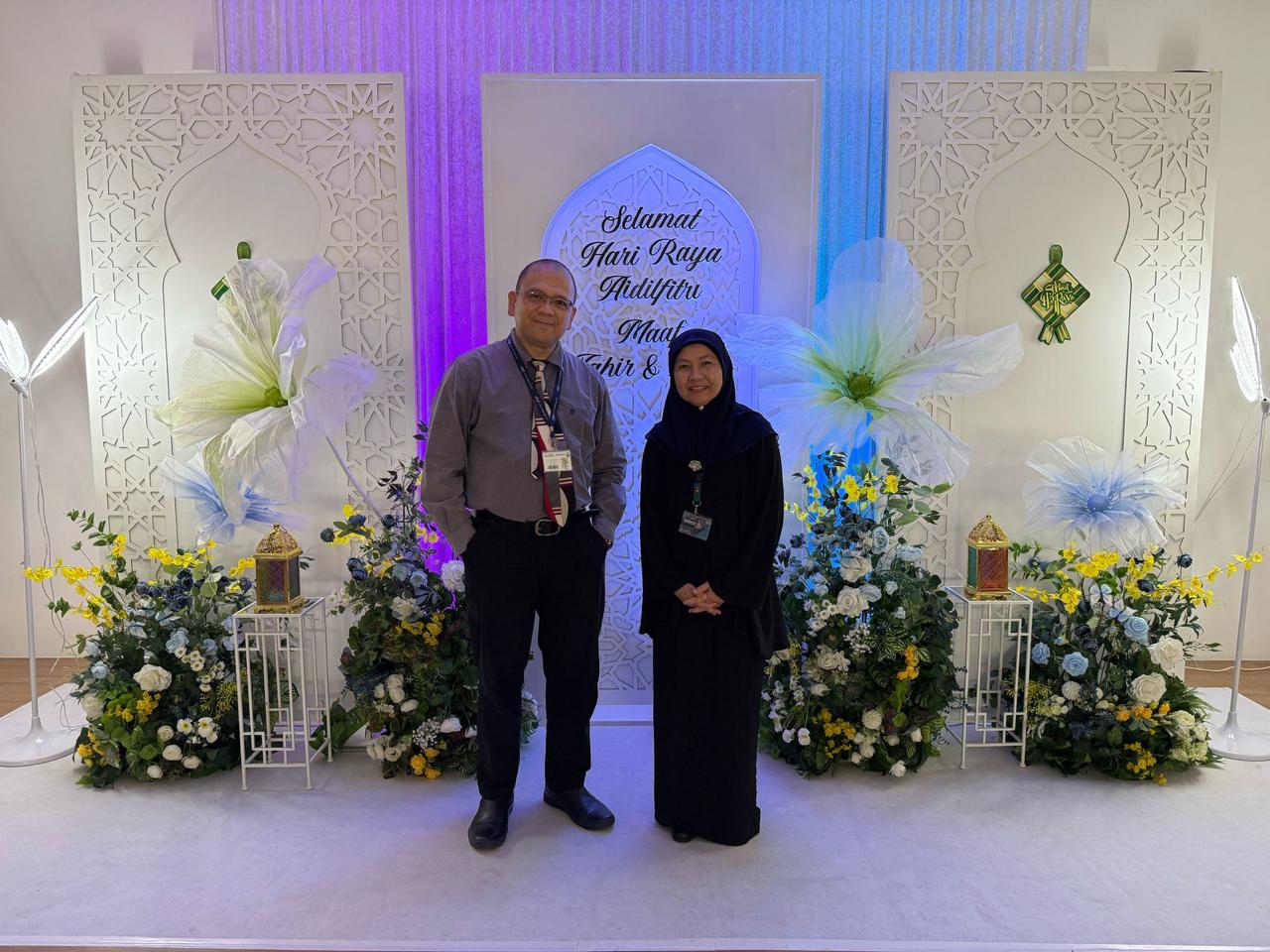
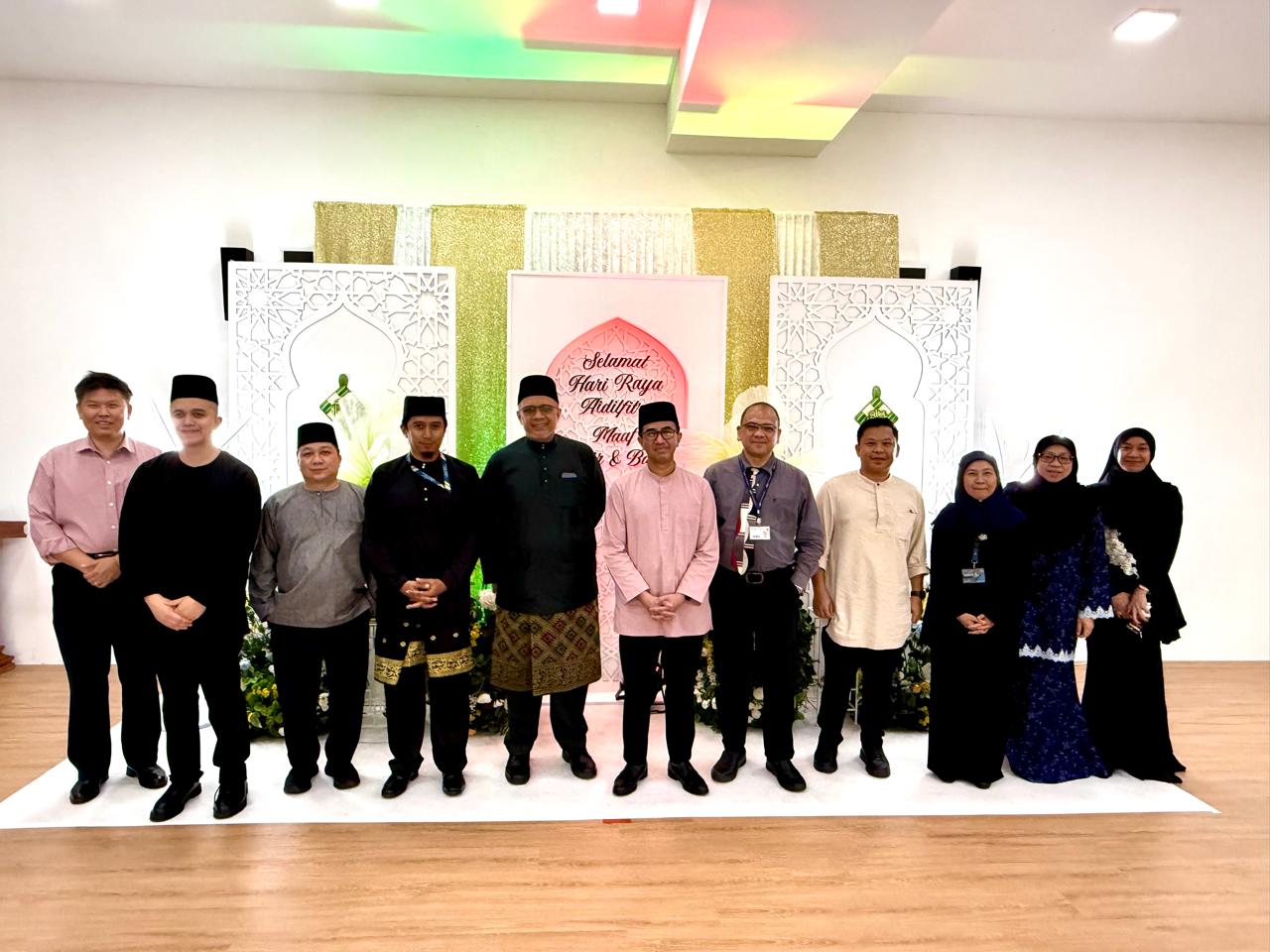
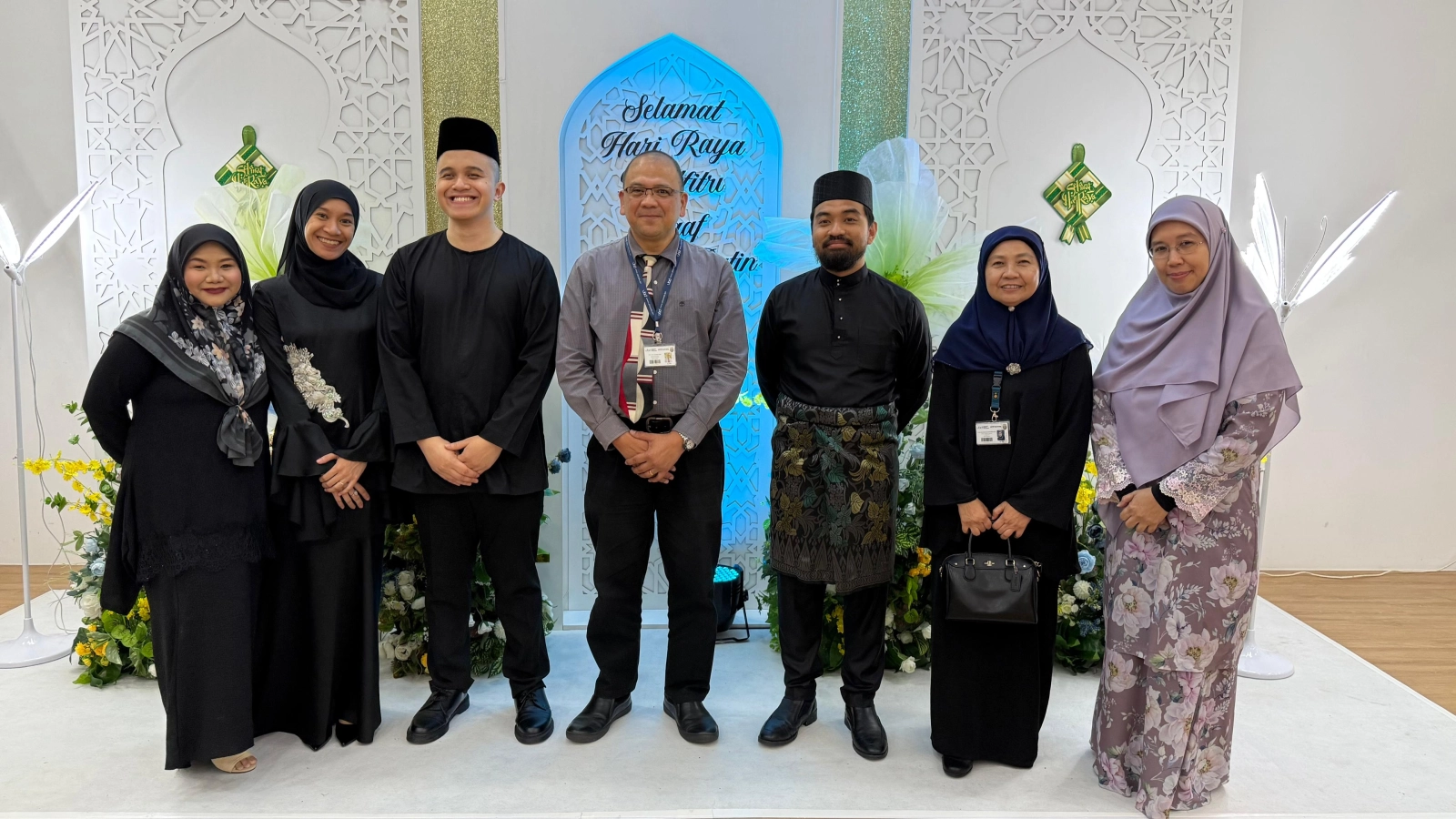
C3L, IPS, Faculty of Military Studies and IAU celebrate Hari Raya
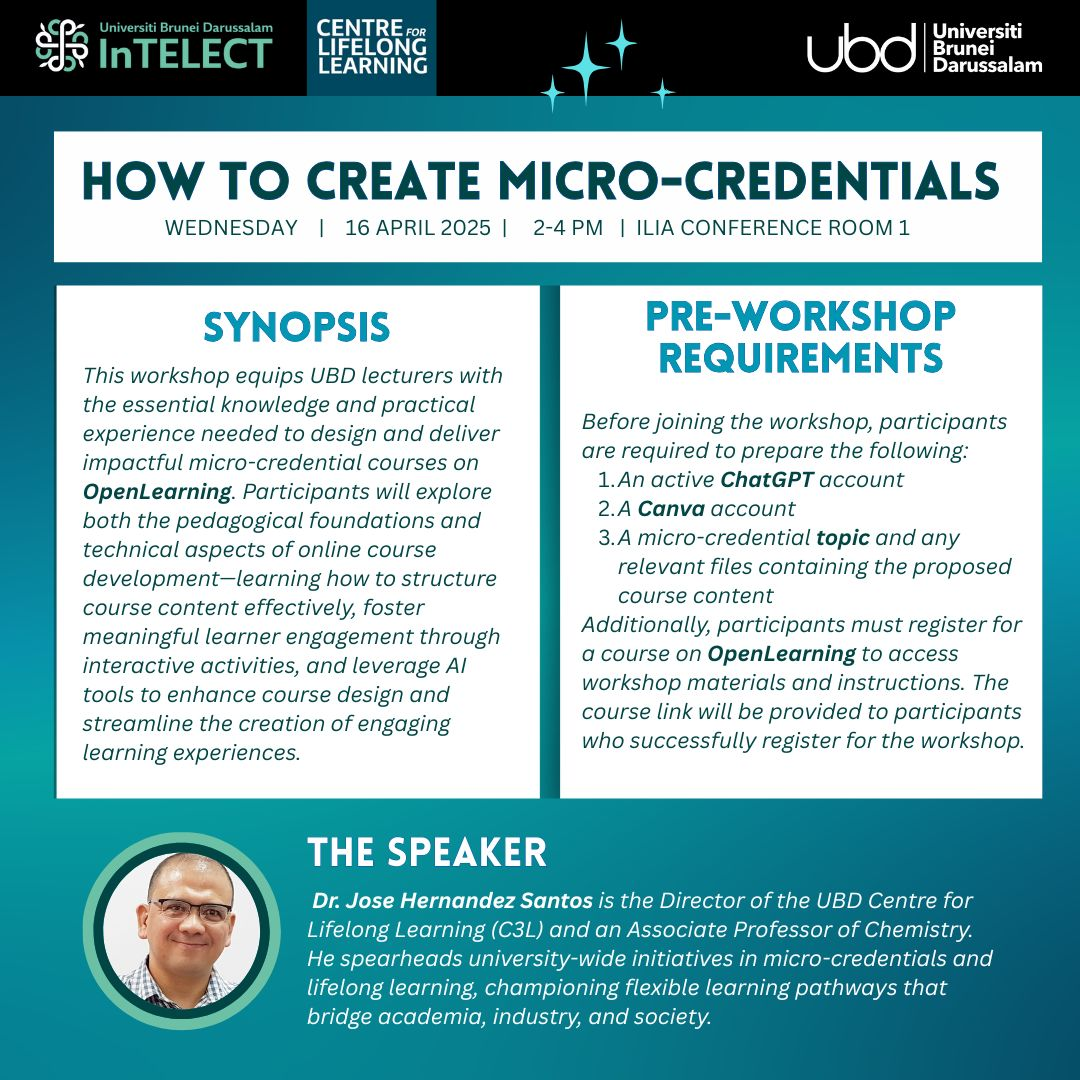
How To Create Micro-Credentials Workshop
How To Create Micro-Credentials, AP Dr Jose Hernandez Santos I Wed, 16th April 2025 (2.00-4.00pm)
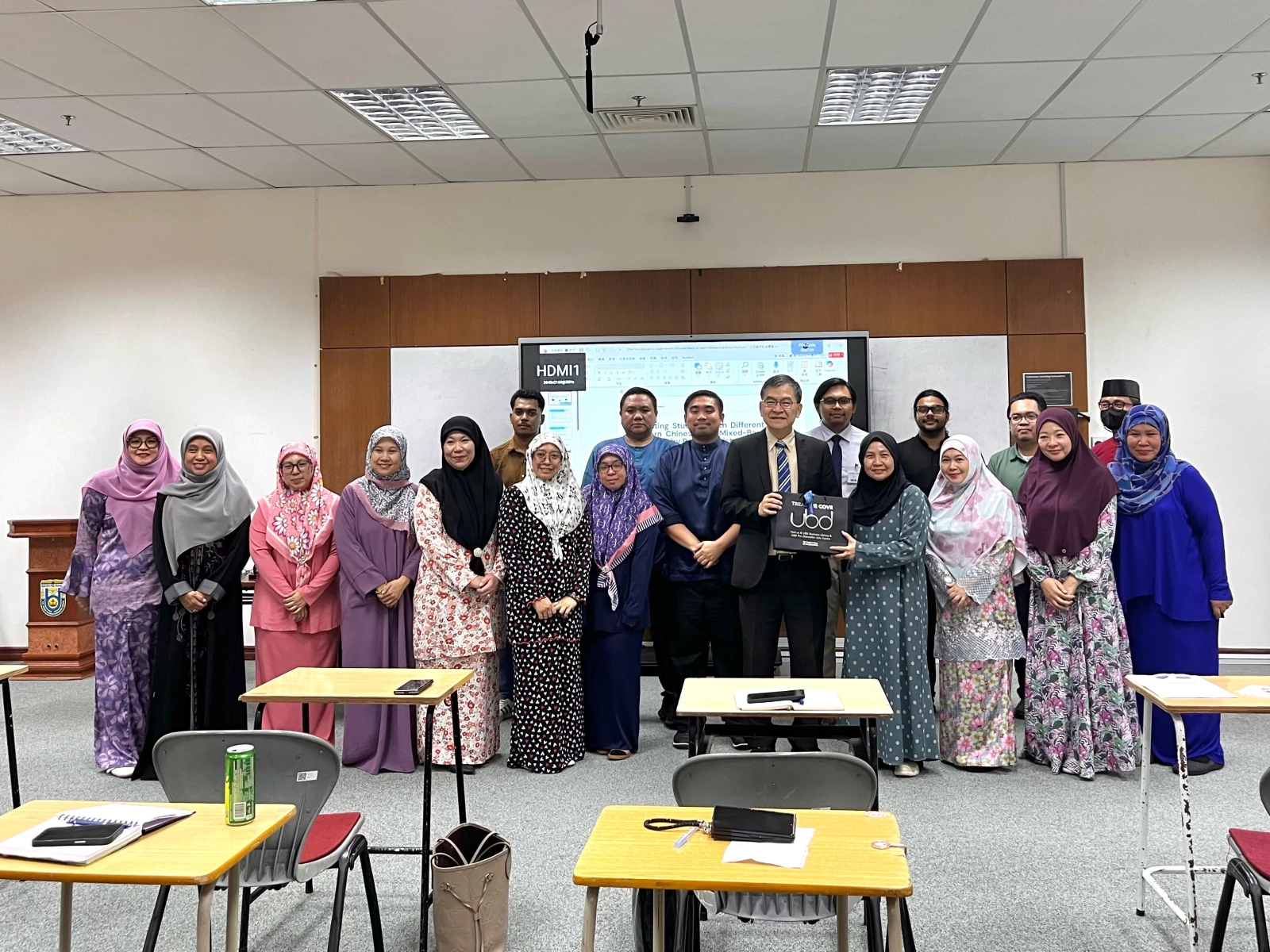
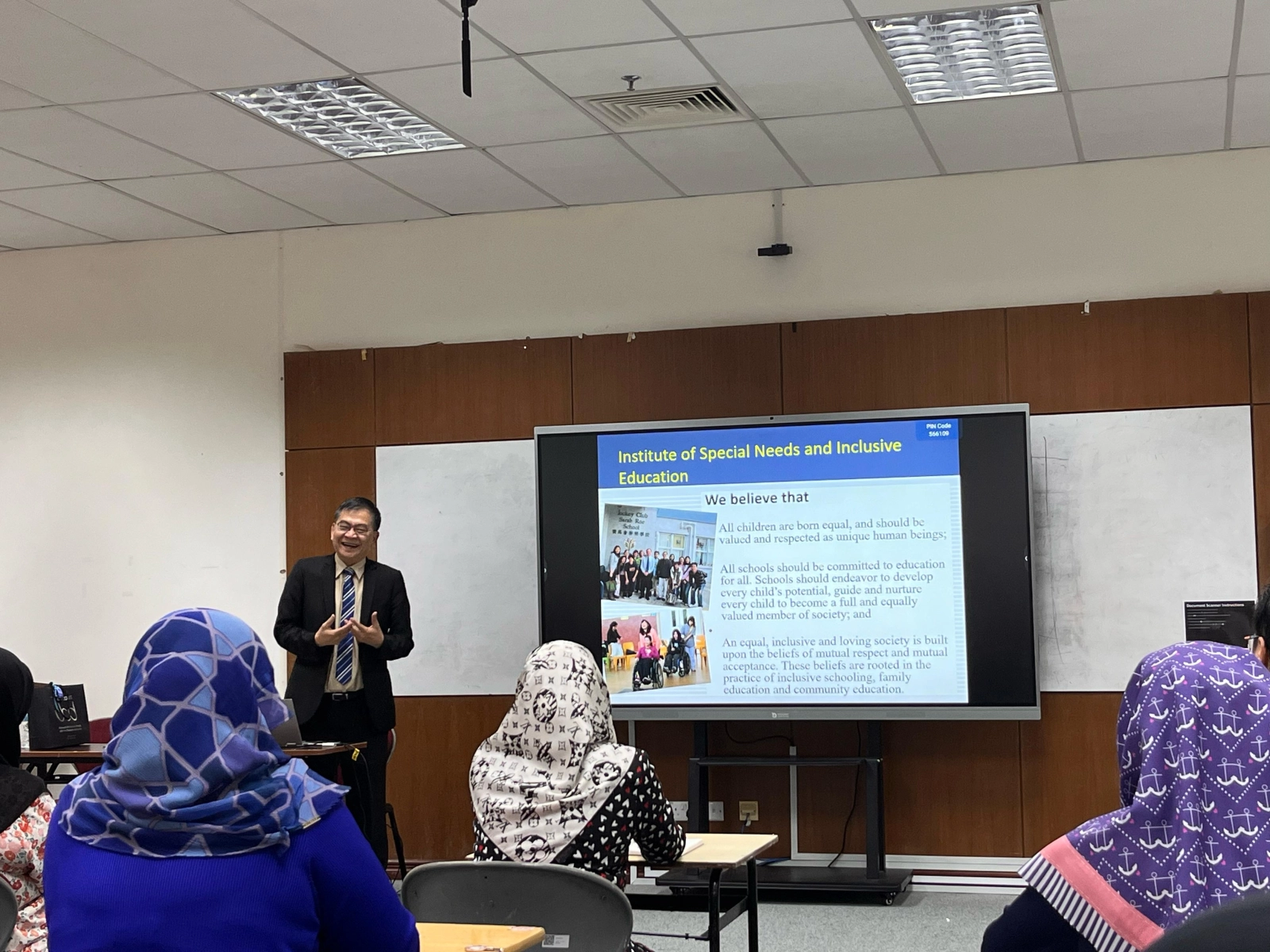
InTELECT, C3L & SHBIE I Seminar – Exploring the Impact of Robot Interaction on Learning Engagement: A Comparative Study of Two Multi-Modal Robot
The Centre for Lifelong Learning (C3L UBD) and Sultan Hassanal Bolkiah Institute of Education in collaboration with the Innovation in Teaching and Learning Centre (InTELECT) organised the following seminar titled Exploring the Impact of Robot Interaction on Learning Engagement: A Comparative Study of Two Multi-Modal Robot.
Professor Kenneth Sin, MH, is the Executive Director of the Institute of Special Needs and Inclusive Education and the Research Professor in the Department of Special Education and Counselling at The Education University of Hong Kong in Hong Kong. His expertise and research focus on supporting students with special educational needs and professional development in inclusion. He takes part in many community activities, in relation to special needs and inclusion. He was invited to be the member/ chairman in the Incorporated Management Committees for special schools and mainstreaming school, members in the task groups for giftedness, inclusion, special needs, rehabilitation and child welfare in Education Bureau, Curriculum Development Institute, Hong Kong Examination Assessment and Authority and Social Welfare Department. He is also appointed as the executive members, committee members or chairs in many NGOs for serving kids with special educational needs, persons with visual impairment, hearing impairment, intellectual disabilities, autism and behavioral difficulties. In 2017, 2018, 2019, 2020 and 2022, he received Awards, including the President’s Awards for Outstanding Performance in Knowledge Transfer (Individual), Teaching (Individual), Knowledge Transfer (Team) and Administrative Services (Individual) by EdUHK. In 2021, Prof. Sin is awarded the Medal of Honor by Hong Kong SAR, China, in recognition of his achievement in developing special education, particularly his contribution to enhancing special education training for teachers. Currently, he is serving as a Visiting Professor at the Centre for Lifelong Learning, Universiti Brunei Darussalam, and is working in close partnership with SHBIE to strengthen teacher training in inclusive education.
In recent years, there has been a growing interest in using robots within educational environments due to their potential to augment student engagement and motivation. However, current research has not adequately addressed the effectiveness of these robots in facilitating inclusive learning for diverse student populations, particularly those with dyslexia. This study proposes an inclusive learning system developed on two multi-modal robots, Kebbi and Minibo, with interactive (i.e., movable hands) and straightforward features. The system integrates various interactive elements, such as animations, songs, dance, gestures, and touch, to enhance students’ learning engagement, interaction, and motivation and cater to their diverse needs. The study aims to examine the influence of different features from two unique multi-modal robots on the engagement levels of students with/without dyslexia and their needs when engaging with robot learning. Two research questions are posed: (1) What are the features of multi-modal robots that could effectively improve the learning engagements of students with/without dyslexia? (2) What are the needs of students with/without dyslexia when engaging with robot learning? To this end, a comparative study is conducted where 64 students participate in a five-day robot-led training program, while another 73 students receive traditional teacher-led training. Pre/post questionnaires are administered to evaluate students’ engagement levels, and semi-structured interviews are conducted to obtain additional insights. The findings reveal that students with dyslexia are better suited to the interactive and multi-modal features of Kebbi. In contrast, students without dyslexia may prefer the more straightforward features of Minibo, which can still effectively promote engagement and learning. Multi-modal robots can boost engagement and motivation in students with and without dyslexia through novelty and cognitive load management. Emotional connections and interactive elements, such as empathetic and customizable features, enhance engagement and improve learning outcome
Public Lecture: The Changing World of Higher Education, The Unchanging Universities and Quality Quagmire
C3L and INTELECT welcomed Professor Dr Hazman Shah Abdullah to deliver a public lecture on ‘The Changing World of Higher Education, The Unchanging Universities and Quality Quagmire.
About the Public Lecture
Higher education is undergoing a profound transformation driven by technological advancements, evolving workforce demands, and shifting learner expectations. Yet, universities often remain anchored in traditional structures, creating a disconnect between institutional practices and the rapidly changing educational landscape. This public lecture, titled “The Changing World of Higher Education, the Unchanging Universities, and Quality Quagmire,” will explore the tensions between innovation and inertia in higher education, focusing on the challenges of maintaining quality in an evolving environment.
Delivered by Dr. Hazman Shah Abdullah, a distinguished expert in higher education policy, quality assurance, and institutional governance, this lecture will critically examine how universities can navigate the complexities of change while upholding academic standards. Drawing on his extensive research and leadership experience, Dr. Hazman will offer insights into bridging the gap between traditional university frameworks and the dynamic future of learning. Attendees will gain a deeper understanding of the quality challenges facing modern universities and explore strategies to foster agility, relevance, and excellence in higher education.
Advanced Occupational Hygiene and Toxicology Workshop
This 16-hour in-person workshop is designed for professionals who possess a basic understanding of occupational health and safety. The workshop aims to provide participants with knowledge and skills in occupational hygiene and occupational toxicology through comprehensive teaching and active assessments. This workshop is ideal for those looking to enhance their skills and apply occupational hygiene and occupational toxicology practices effectively within various workplace environments. The participants include professionals and students with experience in healthcare and occupational health.
Developing Quality Assurance Framework for Micro-Credentials and APEL Workshop
This two-day workshop delivered by Professor Dr Hazman Shah Abdullah aimed to develop a robust Quality Assurance (QA) Framework, particularly for APEL, that aligns with national and international best practices, including the Malaysian Quality Assurance (MQA) system. Led by Professor Hazman, the workshop explored key principles of QA, framework design, accreditation, and implementation strategies. Participants engaged in interactive discussions, case studies, and group activities to formulate a structured approach for ensuring quality, recognition, and credibility in academic programs and credentials.